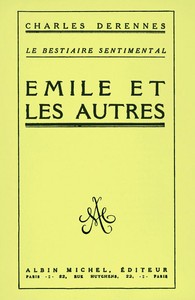
Emile et les autres by Charles Derennes
So, I picked this up because I heard someone call it a tiny French classic, and it totally delivered. No epic battles or huge secrets, but a way smaller, really human kind of conflict—with the whole entire system of growing up.
The Story
Emile et les autres follows a young boy, Emile, as he navigates school and family. He feels not just like a round peg in a square hole—he’s not even sure he’s in the right universe as the people around him. His natural kind of wild daydreaming keeps tripping him up with adults, like his cousin José and the stoic aunt Leonie, who do things the right way—so they think. And then there’s Max, a force of chaotic friendliness. Through all Emile’s antics and emotions, (looking weirdly mature then touchingly childish) you face this quiet battle nobody wins. He could pay the toll to be normal, let his inside self fade, or keep crashing into grey everyday rules with awkward fun. The “others” are his obstacle course passing judgments that add up real fast.
Why You Should Read It
Sometimes you need a book that feels real calm but loud close-up, you know? The way Emile thinks, slipping between real stuff and imagination, zings back my own fuzzy childhood thoughts. How could you like dancing around a field and playing with random weirdos, but get choked by having to bow for who you don’t connect with? It’s loneliness packaged as big afternoon energy. It pulls you immediately into stuff made fresh—hard grief at a minor bunny’s death, extreme loyalty showing itself again in two dumb actions. The writing by Charles Derennes feels so different. Not loud-obvious insights; it just hands you Emile without the sloppy grown-up explanations junking it up. Honestly, I never met quite a voice in old fiction that was this, err, kids-at-the-kitchen-table-loud real since turning into an adult.
Final Verdict
Here is a no‑pressure recommendation: this book is EXACTLY something if you just want a half‑earthly story about the big moments in small kid years without being handled gently. Perfect for drained readers after fast-flow text escapes. Perfect for anyone figuring, “huh, why does childhood code feel so off inside often now?” (Think: The Little Prince stuck to Earth, listening hard but looking bored). A classic for thinking-peeps who love characters more than explosions. Honestly fills a shelf into whatever bucket “feeling felt as two persons” comes under.
This digital edition is based on a public domain text. Thank you for supporting open literature.
Thomas White
1 year agoThe citations provided are a goldmine for further academic study.
John Hernandez
1 year agoUnlike many other resources I've purchased before, the concise summaries at the end of each section are a lifesaver. A rare gem in a sea of mediocre content.
Emily Johnson
1 month agoBefore I started my latest project, I read this and the level of detail in the second half of the book is truly impressive. A rare gem in a sea of mediocre content.
John Taylor
6 months agoIt’s rare to find such a well-structured narrative nowadays, the attention to detail regarding the core terminology is flawless. Well worth the time invested in reading it.


Ashley Anderson
5 months agoInitially, I was looking for a specific answer, but the cross-referencing of different chapters makes it a great study tool. Finally, a source that prioritizes accuracy over hype.