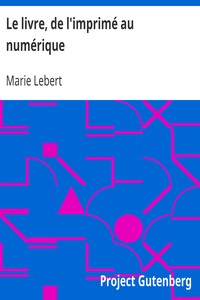
Le livre, de l'imprimé au numérique by Marie Lebert
Marie Lebert's book is a guide through the incredible life of the book as an object and an idea. She starts at the very beginning, with the painstaking work of scribes and the revolution of movable type. But this isn't just a timeline of inventions. Lebert shows how each change—the printing press, the paperback, the digital file—triggered a cultural earthquake. The book became cheaper, more personal, and more widespread with each shift.
The Story
The 'plot' follows the book's journey from something rare and precious, locked in monasteries and wealthy homes, to something mass-produced and everywhere. Then, in the late 20th century, the story takes its biggest twist: the book's physical form begins to vanish. Lebert walks us through the early, clunky days of e-readers and project Gutenberg, showing how a community of pioneers imagined a future where text was free and fluid. The core of the story is this tension: is a book its paper, its ink, and its binding? Or is it the words, the ideas, and the experience of reading, no matter the container?
Why You Should Read It
I picked this up thinking I'd get some tech history, but I got so much more. Lebert has a gift for connecting big technological shifts to the intimate act of reading in your favorite chair. She made me realize my nostalgia for the smell of paper is part of a centuries-long conversation about how we connect with knowledge. The book doesn't preach that digital is bad or print is dead. Instead, it gave me a new appreciation for both. I now see my Kindle and my crammed bookshelves not as rivals, but as two chapters in the same, ongoing story of human curiosity.
Final Verdict
This is a perfect read for anyone who has ever gotten lost in a story, whether in a hardcover or on a phone screen. It's for the curious reader who wonders why we still love physical books in a digital age, and for the tech enthusiast interested in how we got here. It's not overly academic—it reads like a smart friend explaining a fascinating subject over coffee. If you've ever argued about 'real books' vs. ebooks, this book provides the whole, wonderful history behind that debate.
This book is widely considered to be in the public domain. Thank you for supporting open literature.
Logan Perez
1 year agoHaving read this twice, the depth of research presented here is truly commendable. Truly inspiring.
Deborah Moore
4 months agoFive stars!
Mary Lewis
8 months agoI was skeptical at first, but the atmosphere created is totally immersive. I learned so much from this.
Jackson Miller
1 year agoAfter hearing about this author multiple times, the flow of the text seems very fluid. Worth every second.

Barbara Hill
1 year agoTo be perfectly clear, the plot twists are genuinely surprising. Exactly what I needed.