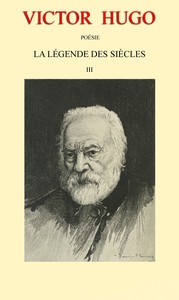
La Légende des siècles tome III by Victor Hugo
Alright, let’s be real: this isn't a book you read for a linear story. 'La Légende des siècles' (The Legend of the Centuries) is Hugo's life's work, a poetic history of humanity. This third and final volume is where he brings it all home.
The Story
Think of it as a gallery of powerful, haunting snapshots. There's no main character except Humanity with a capital H. You jump from the bloody, animalistic fury of early tribal warfare in poems like 'Le Cid exilé' to the quiet, profound dignity of simple people. You witness biblical-scale judgments, mythical beasts, and moments of pure, tender love. It’s not a chronology you can memorize; it’s an emotional journey through time. Hugo arranges these poems to create contrasts—placing a scene of brutal conquest next to one of peaceful creation. The 'plot' is the reader's own dawning realization of the patterns that repeat across ages: our capacity for both unspeakable violence and breathtaking grace.
Why You Should Read It
I’ll be honest, some parts are tough. Hugo stares into the abyss of human suffering without blinking. But that’s why the moments of light are so electric. When he writes about a child, a kind act, or the simple wonder of nature, it feels earned and powerful. You're not getting a history lesson; you're getting a direct infusion of Hugo's fiery soul and his unshakable belief in progress. He believed we were slowly, painfully, crawling toward the light. Reading this is like sitting with a wise, angry, and deeply compassionate old man who shows you the worst of us to make you fight for the best.
Final Verdict
This book is not for someone looking for a quick, easy read. It demands your attention and your heart. But if you love poetry that feels like a force of nature, if you're fascinated by the big questions of good and evil, or if you just want to experience the full, staggering range of one of literature's greatest minds, dive in. Perfect for poets, philosophers, and anyone who doesn’t mind their reading to be a little bit of a glorious, beautiful struggle.
This historical work is free of copyright protections. Preserving history for future generations.