
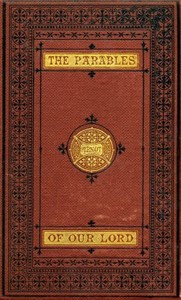
The Parables of Our Lord by William Arnot
Don't let the 1800s publication date fool you. William Arnot's The Parables of Our Lord isn't a dusty history lesson. It's a vibrant, line-by-line exploration of Jesus's most famous stories. Arnot doesn't just explain what the words meant back then; he's obsessed with what they demand of us now.
The Story
There's no fictional plot. Instead, Arnot takes each parable—from the Sower and the Seed to the Wise and Foolish Virgins—and unpacks it with the care of a jeweler examining a precious stone. He looks at the context, the characters, and the shocking twists Jesus built in. He asks why the father runs to the prodigal son, what the oil in the lamps really represents, and how a tiny mustard seed can tell us about the Kingdom of God. The 'story' is the journey of seeing these simple tales transform into profound, personal truth.
Why You Should Read It
Here's the magic: Arnot writes with a pastor's heart and a clear, compelling style. He makes the abstract tangible. The parable of the talents becomes a conversation about using your time and gifts today. The sheep and the goats turn into a urgent call to practical compassion. My favorite parts were where he identified the 'villains' we often miss—like the pride of the older brother or the self-deception of the man building bigger barns. It’s insightful without being preachy, and deep without being confusing. You'll read a parable you've known since childhood and have a genuine 'aha!' moment.
Final Verdict
This book is perfect for anyone who finds the Bible's parables familiar but wants to feel their impact afresh. It's for the curious reader, the spiritual seeker, or the long-time believer feeling a bit numb to these stories. If you enjoy thoughtful, accessible Christian writing that bridges the gap between ancient text and modern life, Arnot is a fantastic guide. Just be warned: you might not be able to read the parable of the Good Samaritan the same way again.
Legal analysis indicates this work is in the public domain. Preserving history for future generations.
Michael Rodriguez
1 year agoVery interesting perspective.
Aiden Lewis
1 year agoThis book was worth my time since the narrative structure is incredibly compelling. A true masterpiece.
Mark Martin
1 year agoThe layout is very easy on the eyes.
Margaret Taylor
1 year agoBased on the summary, I decided to read it and the emotional weight of the story is balanced perfectly. One of the best books I've read this year.


Elijah Davis
9 months agoVery helpful, thanks.