
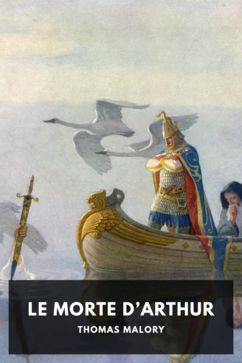
Le Morte d’Arthur - Thomas Malory
So, you pick up this massive book called 'Le Morte d'Arthur' (that's Old French for 'The Death of Arthur'). What's inside? It's the complete life cycle of a legend. We start with the magical birth of Arthur and his famous test, pulling the sword from the stone. He becomes king, founds the fellowship of the Round Table in Camelot, and sets his knights on quests to fight giants, rescue maidens, and do good deeds. The heart of the story follows his greatest knight, Sir Lancelot, and his secret, forbidden love for Queen Guinevere. This love, and the jealousy it sparks in other knights like the pure but rigid Sir Gawain and the wicked Sir Mordred, becomes the crack that brings the whole kingdom down. The quest for the Holy Grail pushes the knights to their spiritual limits, but it's human betrayal and revenge that lead to the final, tragic battle where Arthur is mortally wounded and taken to the mystical isle of Avalon.
Why You Should Read It
This isn't just a history lesson. Reading Malory feels like getting the raw, unfiltered blueprint. The characters aren't plaster saints; they're proud, jealous, passionate, and deeply loyal, often to a fault. Lancelot is the world's best knight but a terrible secret-keeper. Arthur is a visionary leader who can't see the betrayal growing in his own family. The book asks huge questions that still matter: What does true honor look like? Can idealism survive in a real, complicated world? Is any institution, no matter how noble, doomed to fail? The language is archaic, sure, but there's a directness and power to it. You feel the clang of armor, the tension in the court, and the heartbreak of a dream dying.
Final Verdict
This book is for the patient reader and the myth-lover. It's perfect for anyone who's ever enjoyed a King Arthur movie, video game, or novel and thought, 'I want to know where this all *really* came from.' It's not a breezy weekend read—it's a commitment. But if you stick with it, you're getting the original source code for one of the West's greatest stories. You'll meet the characters as they were originally imagined, flaws and all, and understand why the fall of Camelot remains one of our most powerful tales about the gap between our highest ideals and our human nature.
This work has been identified as being free of known copyright restrictions. Thank you for supporting open literature.
Melissa Scott
3 months agoI didn't expect much, but the arguments are well-supported by credible references. A valuable addition to my collection.
Christopher Miller
2 years agoWithout a doubt, the plot twists are genuinely surprising. I learned so much from this.
Linda Harris
2 years agoI started reading out of curiosity and the depth of research presented here is truly commendable. I learned so much from this.
Richard Wright
10 months agoAmazing book.
Paul Johnson
10 months agoExceptional clarity on a very complex subject.