1

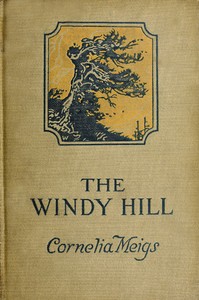
The Windy Hill — Context and Discussion
(0 User reviews)
2683
Project Gutenberg
2008
Not confirmed
Runaway teenagers -- Fiction; Boys -- Fiction; Adventure stories; Mystery fiction
Readers of public-domain and historical texts
Project Gutenberg digital edition
en
Edition facts
Words
54,143
Reading time
236 min
Text sections
6
The source record for The Windy Hill — Context and Discussion measures this digital text at 54,143 words, 3 hr 56 min estimated reading time, and 6 detected text sections.
The text analysis averages about 21.2 words per sentence, while the detected sections provide another way to judge how the source is divided.
Project Gutenberg metadata also associates the work with “Runaway teenagers -- Fiction,” connecting these edition facts with the source record’s subject description.
Source:
Project Gutenberg record #26537
Oliver and Janet, fleeing an unspecified trouble, arrive at their cousin Jasper's house in Medford Valley, where a hostile neighbor, Anthony Crawford, pressures Jasper over land and a miniature portrait. The story moves between tense confrontations and quiet moments, with recurring images of dust, heat, and the wind on the hill.
Read the complete public-domain text at its original source.
Read on Project GutenbergThe story opens on a hot, dusty June road where Oliver Peyton walks with a determined stride, refusing rides and deflecting questions about his destination. His evasiveness and the hostile curiosity of a stranger in a rattletrap cart immediately establish an atmosphere of secrecy and unease. The landscape—half-wooded hills, quivering heat, a valley road—is drawn with sensory precision, and the recurring image of dust hanging in the air becomes a motif for the obscured motives and hidden histories that drive the narrative.
Movement and Restlessness
The narrative is built on a rhythm of hurried travel and anxious pauses. Oliver trudges, Janet flees down a lane, characters arrive and depart in carts or on foot. The opening chapter establishes a pattern: a character moves through a landscape, encounters a question or a threat, and then retreats or presses on. This physical restlessness mirrors the emotional uncertainty of the cousins, who are running from something unnamed. Even when they reach Cousin Jasper’s house, the terrace and garden become temporary halting places before the next disturbance—a message from John Massey, a glimpse of Anthony Crawford. The hill itself, with its constant wind, suggests an environment that never fully settles.
The Weight of Objects
Several objects carry narrative and emotional weight. The miniature of Cicely Hallowell is clutched in Janet’s hand as she flees Crawford’s house; its accidental theft becomes a source of dread. The scarecrow that resembles Anthony Crawford, with its “straw-filled arm” raised in mockery, transforms a farm detail into a menacing symbol. These objects are not merely props—they are charged with the tensions between characters. The miniature, in particular, ties together the past (the portrait, the Hallowell family) and the present conflict over land and loyalty. The narrative treats these items with care, describing how they are held, carried, or stared at, as if their physical presence might tip the balance of a confrontation.
Landscape as Witness
The Medford Valley setting is more than backdrop; it is a participant in the story’s mood. The “hot, breathless air,” the “dusty” road, and the “half-wooded hills” create a sense of oppressive stillness broken only by human motion. The wind on the hill, referenced in the title, is felt in the characters’ hair and clothing, a constant reminder of forces beyond their control. The landscape also serves as a stage for encounters: the road where Oliver meets the hostile stranger, the lane where Janet stumbles away from Crawford’s house, the terrace where John Massey delivers his news. Each location carries a specific emotional temperature, from the stifling heat of the road to the relative cool of the garden at evening.
Unspoken Threats and Evasive Speech
Dialogue in the excerpts is marked by what is left unsaid. Oliver’s repeated “I am just going down the road—a little way” deflects inquiry without lying. Janet and Oliver’s conference about the miniature is full of half-finished sentences and anxious pauses: “To-morrow we——”. Characters hedge, interrupt themselves, and speak in fragments. This evasiveness is not merely politeness; it reflects the power imbalance between the cousins and the adults around them. Anthony Crawford’s direct, hostile questions contrast with Jasper Peyton’s elaborate courtesy, but both men use speech to control information. The narrative trusts the reader to read between the lines, where the real conflicts—about land, inheritance, and loyalty—simmer.
Readers attentive to the interplay of physical detail and emotional tension will find a story that moves as much through gesture and landscape as through plot. The wind, the dust, the miniature held too tightly—these small elements accumulate into a portrait of a community where every object and every glance carries a history. The narrative rewards patience and a willingness to follow the characters through their restless, uncertain journey.
Some afternoons, re-reading The Windy Hill, the weight of that unresolved quarrel stays with me longer than the hill itself. It reminded me of when I first met Margaret, carrying her own quiet disappointments through the pages of The Primadonna A Sequel to "Fair Margaret" — Reading Companion, where even the warmth of California couldn't soften the ache beneath her ambition. Both felt like listening to a held breath.
There are no reviews for this eBook.
There are no comments for this eBook.
Reader reflection
How will you remember this book?
Save your reaction, strongest insight, and memorable passage.
Your progress
0
/
10
2
Was reading this book enjoyable?
3
Would you encourage someone else to read it?
4
How easy was the book to follow?
5
Did the book offer a fresh perspective?
6
Did the book give you something worth debating?
7
How did the pace of the book feel?
8
Was the book what you thought it would be?
9
In one sentence, what did you learn?
10